
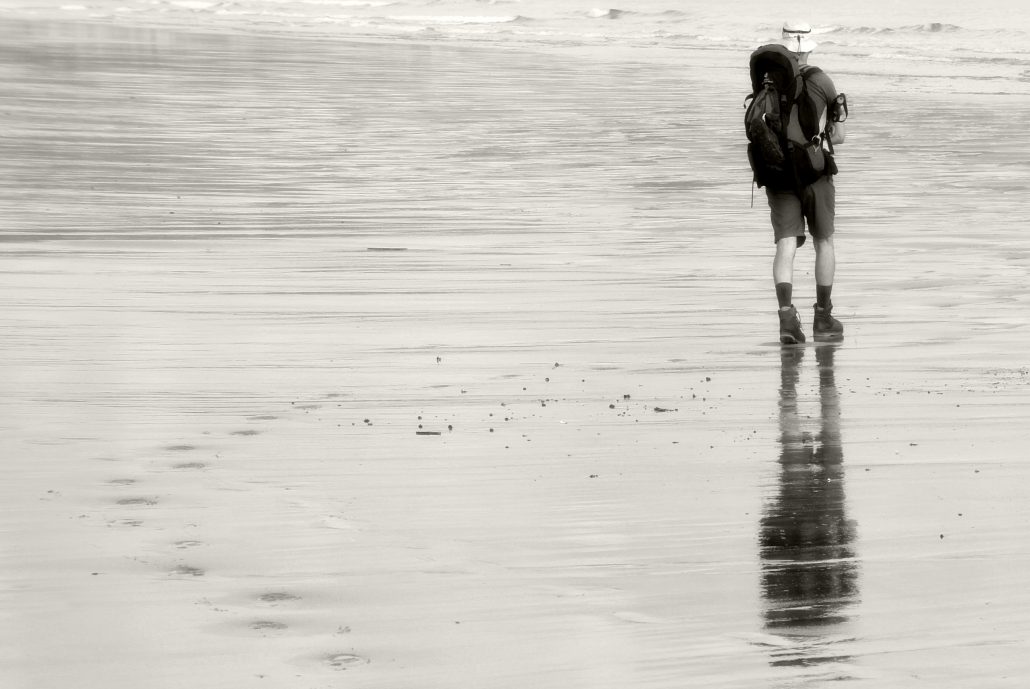
Principles of Adventure – Be Present and Mindful
For my coastal walk around Britain I have devised some Principles of Adventure. Principles are a guide; they are not rules. I don’t like rules because rules constrain whereas principles are freeing and tolerant of creativity and response.
In this series of articles I want to expand on these principles, probably because I want to understand them. I’ve always loved the idea that “we teach best what we most need to learn“. So by telling you about them, hopefully I will hear what I say and get to know what they are all about.
Adventure Principle No. 1 – Be Present and Mindful Always
Mindfulness is a simple concept adopted from Eastern meditative practice, which now has sound evidence to support it as an effective technique for personal development, wellbeing and health. It is being used increasingly in talking therapies, in particular for stress reduction (MBSR – Mindfulness-based Stress Reduction) and for working with depression and anxiety.
Talk of therapy, however, implies to me that it is primarily for dealing with problems. It is easy to see where misconceptions grow. If that were the only view, we could see adventure only as a retreat, an escape from the stress of society into the backcountry and to old ways. True to a point, but not the whole truth.
My favourite definition of mindfulness comes from Jon Kabatt-Zinn:
Mindfulness is awareness that arises through paying attention, on purpose, in the present moment, non-judgementally
I see mindfulness as expansive, enabling and enriching. Wherever you are, that’s where you start. There is nothing else than now, so you may as well enjoy everything it has to offer.
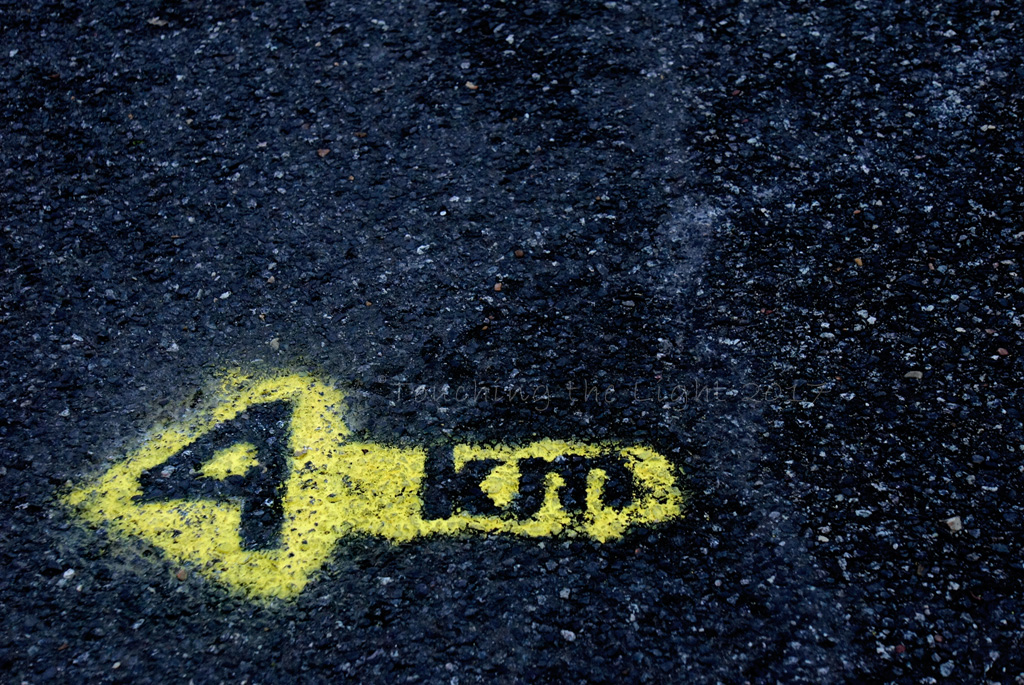
How far to go?
But in the busyness of ordinary days we become concerned with where we have to be next at what time and what we have to do, or we worry about what has already gone – our minds are continually taken away from here and now.
Presence, or being in the moment, is at the very core of mindfulness.
Here are some important ways in which I will be trying to stay present on this long walk:
Manage Expectations
Nothing sets us up for disappointment like expectation. To go with no expectations is hard, because we are imagining beings. We research and plan and anticipate. We build excitement. We look forward to places and moments.
What if, when we arrive, nothing is how we imagined it? What if the weather is “bad” or the light for that iconic photograph is absent or “poor”, whatever those terms mean? Preconceptions and expectations hit us and disappointment descends like a dark cloud.
Things could be better than we expected, of course. But then we would have been fearing the worst beforehand.
The only way to stay in the moment is to lose expectation. Then we see things for how they are, right here, right now. We cannot be anywhere else.
Notice my Moods
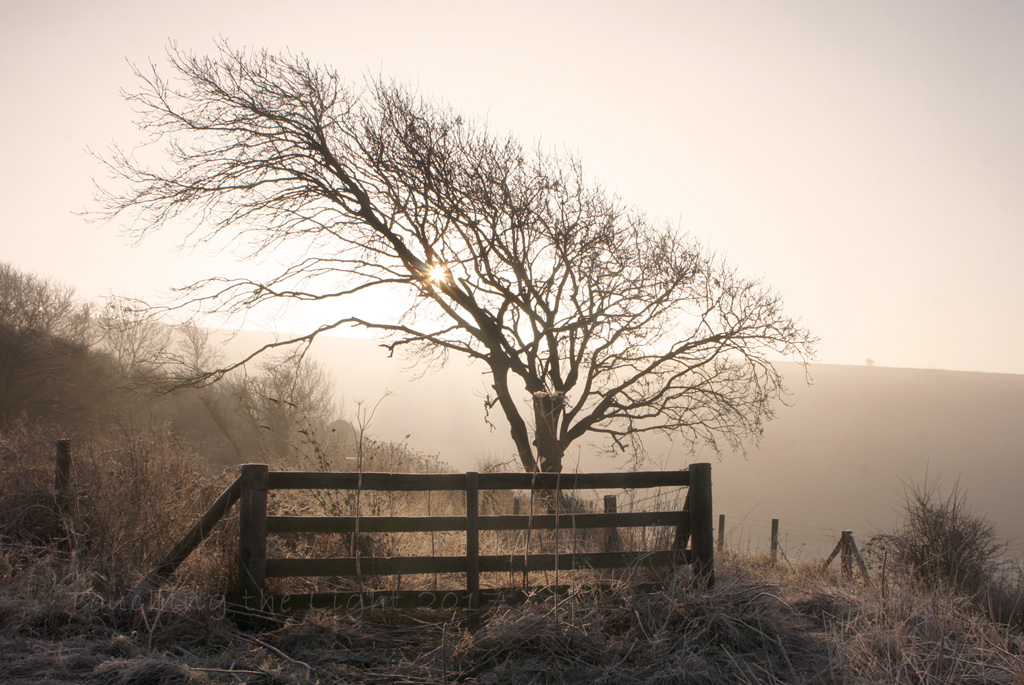
Notice every mood for what it is and accept …
Emotions can hijack us at any time. There will be times when I feel low or tired or angry or frustrated – negative emotions. I will try to be aware of them and acknowledge them before allowing myself to accept how things are right now and replacing negativity with something more positive.
I’ve become well tuned to listen for my self-talk. In the Pyrenees in 2011, at my lowest ebb in a rainstorm on the Coll de Coma Anyell, I was cold, tired, hungry and miserable. I was in danger of giving up and letting the inner wimp have his way. But my voice of reason countered the negative thinking and kindly and assertively told me to get on with it. Kindness means accepting both voices.
This is about being non-judgemental. What happens happens.
Start with the End in Mind
A journey of a thousand miles starts with a single step.
This age-old saying is really about starting. If we focus on the end then we can become easily overawed by the size and scale of a long walk like this walk around the coast of Britain. And then we lose a sense of the moment.
Starting with the end in mind is not the same as focusing on the end. What does that mean? Well, I often feel as tired at the end of one day’s walking as I do at the end of a week’s walking. How is that possible?
In the early 1990s my mate Wayne and I attempted a non-stop, twenty-four hour walk around the tops of the Lake District. One five-hour day walk would usually be enough, but starting with the end in mind enabled us comfortably to string together four of them, back to back. We were fit, of course, but our physical performance came from an attention to both each stage and to the whole task.
A long and enduring walk requires a dual focus, one that maintains both a day-to-day focus and a mindset for the journey. Then days become stages, complete in themselves but part of the whole. Planning can attend to short-term detail and the longer-term goal.
So I will start with the end in mind but aim be fully present one step at a time, one day at a time; bit by bit, paso a paso, stage by stage.
Walk Mindfully
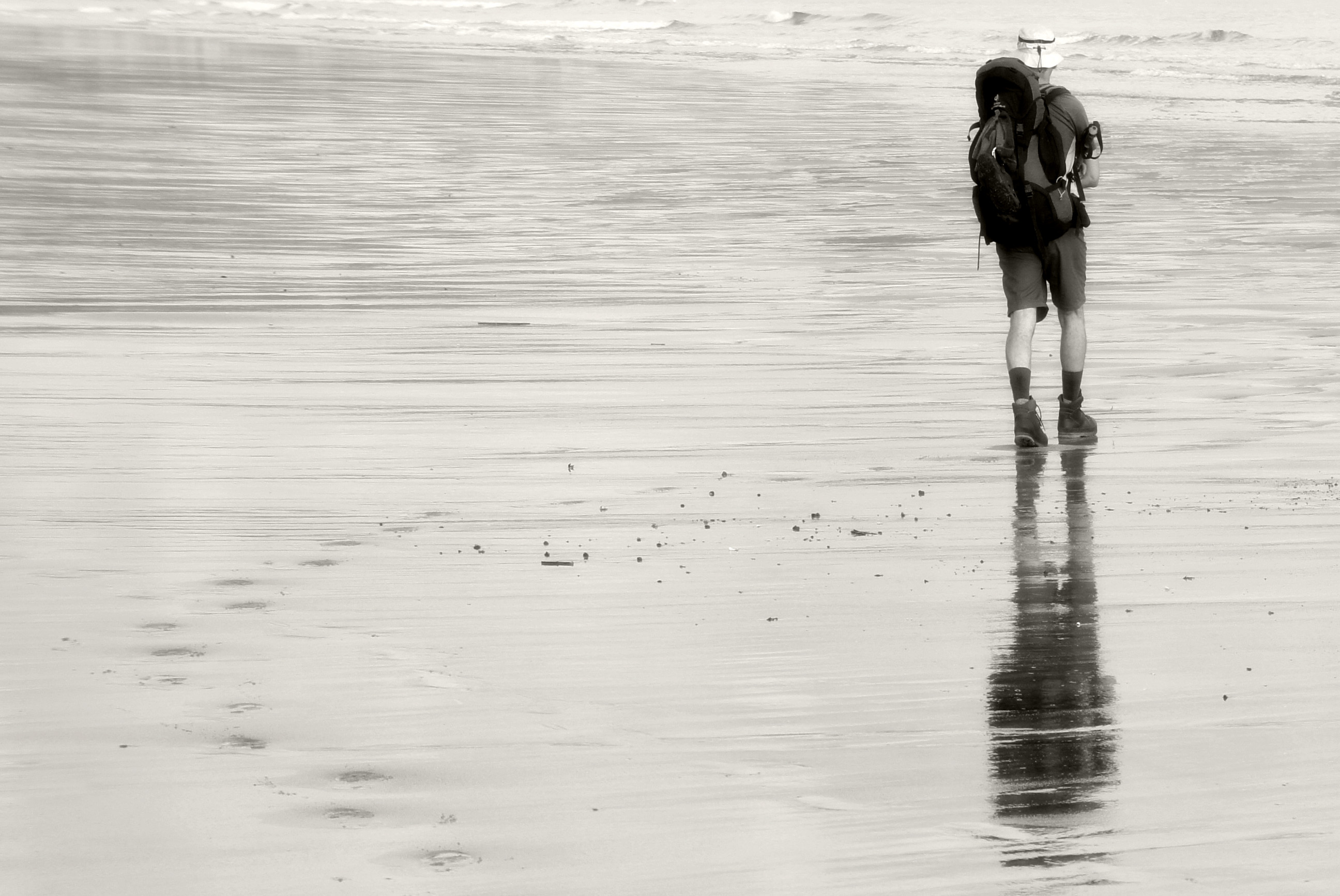
Pay attention to how you walk.
Very few of us ever pay attention to the way we walk. We just walk. We have walked since the age of one and not thought about it since. What if we do? Why be mindful of the way we walk?
I am pretty competitive with myself and have a fast natural walking speed. Towards the end of a day, I frequently let myself get distracted by the goal of arrival and I speed up. If I am already tired, my posture and form begin to fall apart. By being aware of this, I can hopefully maintain a soft, rhythmic and gentle pace – of which, more to come in Walk Long, Walk Slow …
Posture and form are vital for any athlete because they ensure optimal efficiency and avoidance of injury, or at least minimise the risk. I learned about posture from sport and from the practice of Ayengar Yoga. But there is one thing more than any other that woke me up to mindful walking:
How heavy is your footfall? Is it hard and jarring or soft and silent?
I was on a week-long solo retreat to the back country by Llyn yr Adar in the Moelwyns of Snowdonia. In a meditative mood one morning, I indulged my own philosophical experiment. I walked across that wide bowl of soft peat, dry but forgiving under the feet, as softly as I could, attempting to make no sound with the soles of my boots. Quieter and quieter I became until I felt as if I was floating across the surface. Silent footfall consciously places the feet softly, wasting no energy in absorbing the shock of downward pressure.
An observer of native American hunters and their gait makes this observation:
If the Indian were turned to stone while in the act of stepping, the statue would probably stand balanced on one foot. This gait gives the limbs great control over his movements. He is always poised. If a stick cracks under him it is because of his weight and not by reason of the impact. He goes silently on and, with a great economy of force … His steady balance enables him to put his moving foot down as gently as you would lay an egg on the table.
Again on my Pyrenees trek in 2011, I developed this idea into a mindful way to move uphill. Most people when walking uphill place their front foot and straighten the leg upwards against gravity, lifting their body weight vertically, which requires maximum effort. However, when we lean forwards slightly the body weight tends to pull the front leg straight with almost no pressure on quads. We can also change perception from moving uphill to moving forwards by keeping the head still, whereby the ground no longer seemed to have a gradient. Add to that a gentle push on the trekking poles and we have effortless, conscious climbing that feels again like floating. Falling uphill.
With this form of walking comes a state of flow and a euphoric calm and heightened awareness of the surroundings. I am still not sure which comes first: the rhythm or the state of mind, but they seem to be inseparable. It is quite an addictive state when attained. I know, however, that it can be solitary and absorbing to the point where it is not possible to be in this bubble socially. Perhaps flow and empathy are mutually exclusive.
Indeed I called it Zen Walking when I discovered it. You might be interested in ChiWalking / ChiRunning, which seems to have conscious or mindful movement at its heart.
Practice Mindful Photography
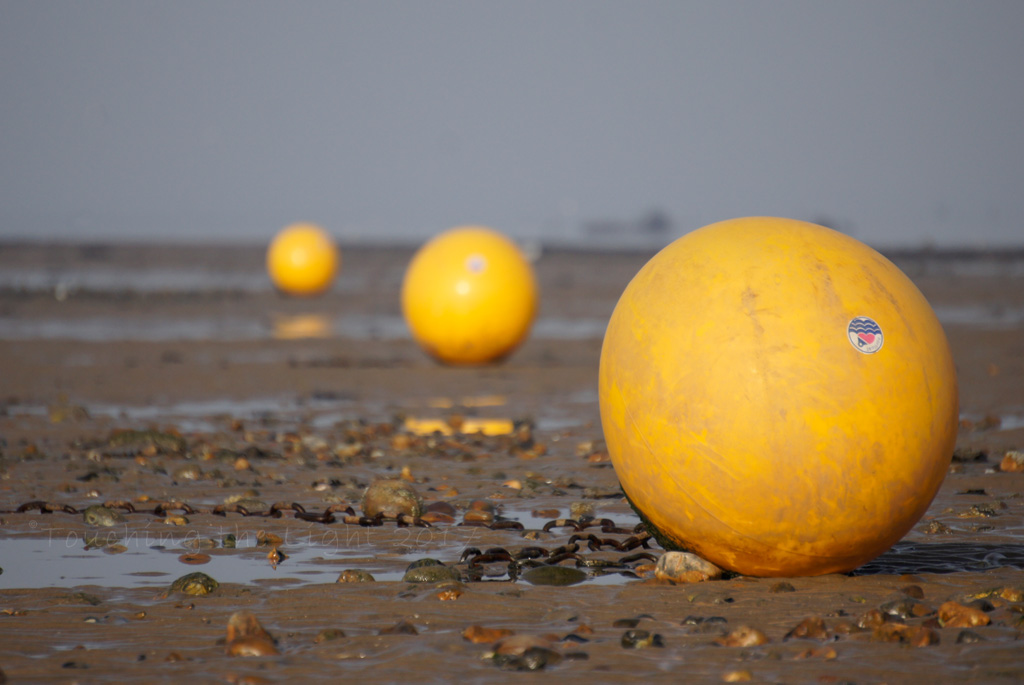
Seeing requires a freedom from distraction and expectation.
Finally, I should say something about the practice of mindful photography.
Mindfulness is at the core of my photography approach and a principle of the photographic workshops and holidays that I lead called “The Joy of Seeing”. Kabatt-Zinn’s definition of mindfulness says almost everything – paying attention, on purpose, in the present moment, non-judgementally – about exploring a subject in a contemplative way before and at the moment of shooting.
But there is more because when we open our channels to bring more of the world into consciousness at every moment, we are overriding those perceptive filters that condemn most of what we sense in everyday busyness to the discard bin, or at least not to register among the schemata in the recesses of the subconscious mind.
To photograph mindfully is to create more opportunities to see the world fully and in many new and exciting ways – to open my heart as well as my eyes.
The camera is an instrument that teaches us how to see when we don’t have a camera.
Mindfulness probably didn’t exist as a word or concept when Dorothea Lange said these wise words. She sums up perfectly how photography can maintain an awareness, provided, of course, that mindful practice keeps us present.
… Ken
27 January 2017
More Principles of Adventure to follow


Leave a Reply
Want to join the discussion?Feel free to contribute!