Practice in Seeing the light
Today I am reflecting on a question I was asked this week. It came after a talk I was giving about my experiential approach to photographing light in the landscape. The question was nothing to do with that.
“How do you keep motivated to make pictures day after day?”
As I write I am heading towards the end of my fourteenth consecutive year of 365 – making a picture every day. That will be 5114 days. It is now called ‘Project Infinity’. Project Infinity 2021 Edition on Flickr | Project Infinity Portfolio
Good question. How do I keep motivated?
I have been asked this before, though often in a more sceptical or dismissive way – “What’s the point?”
I last wrote about 365 in 2013 when I looked at the traps, the reasons why for many people a 365 project typically fails. Most of the traps arise out of self-talk – that nagging critical voice in our heads that compares our endeavours to notional standards and the expectations of others; that makes excuses when life gets difficult; that convinces us eventually that the whole thing is not worthwhile.
So in this piece I explore what daily photography brings me and why I thrive with it; why it remains after all this time the best thing I ever did and still do for my photography.
Daily Practice
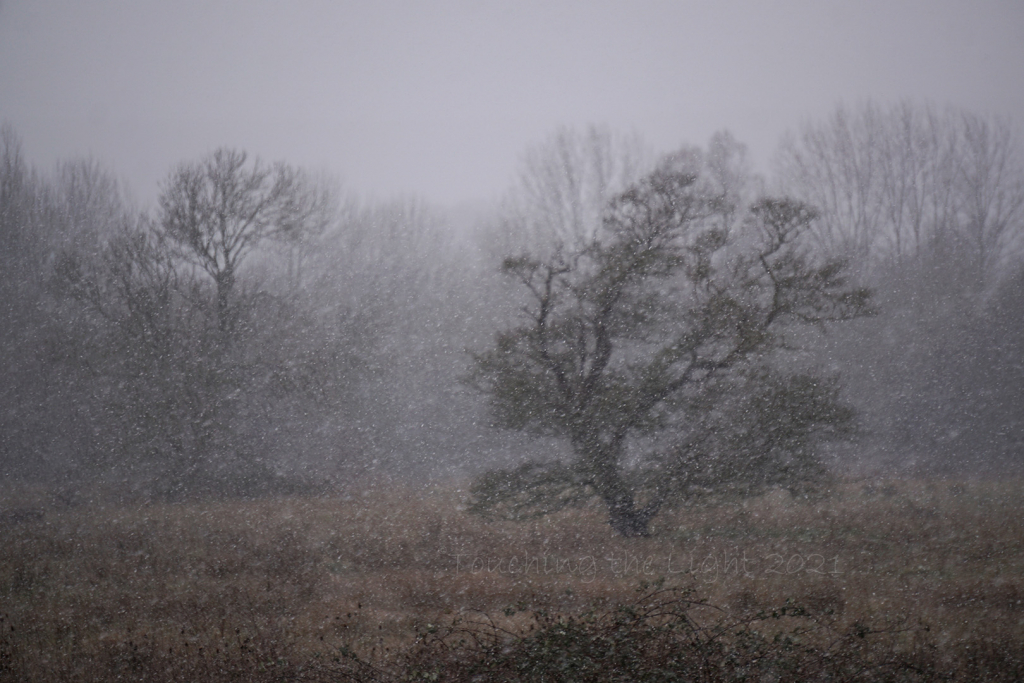
Storm Darcy – Practise every day regardless.
Let’s face it. Not many people like practice, right? It’s a chore. We want to perform because that’s where we get the recognition. But performance is a small part of the product.
- Sports people, actors, musicians: they practice every day. They rehearse and rehearse, going through often tedious drills and exercises to perfect muscle memory, extend their ranges of movement, maintain and look after their voices, improve physical conditioning, develop mental resilience.
- Writers write every day – get 1000 words down before coffee …
- Artists explore and experiment – try it, see it fail, try it again, rip it up, let it come …
I have presented my talks on 365 nearly seventy times, and talked frequently about its disciplines. Each time I ask “How many of you have made a photograph today?” Less than 10% of the average camera club audience raises a hand.
Camera club photographers are supposed to be the enthusiasts, aren’t we?
Practice is the bread and butter of any discipline.
You may have heard of “The 10,000-Hour Rule”, which has been popularised (notably by Malcolm Gladwell) to mean it takes 10,000 hours of disciplined practice or 10000 correct repetitions to master a skill to elite level (though not all elite performers do so – there is also such a thing as innate talent).[i]
So what are we practising for in photography?
a) Practice in Seeing
Primarily, for me, it is practice in awareness and observation that results in seeing. Seeing means noticing what I am noticing, and practicing the mindful disciplines of suspending judgement and expectation. To do that I am actively aware of the Barriers to Seeing[ii] that I might unconsciously be putting in my own way.
b) Practice in using the camera
It is also about practising use of the camera. There is my particular model, of course. But more importantly, it is about the intuitive use of the Exposure Triangle (shutter speed, aperture and ISO), focusing and metering modes and other occasionally helpful devices.
c) Practice in Composition
To be practised in composition means to be fluent in the language of photography, so that I don’t have to think about the ‘rules’ of composition or the mechanics of the camera when I make my images.
It helps to understand the so-called ‘rules’ so that we can then change them, push them, ignore them, be creative with them.
“to consult the rules of composition before making a picture is a little like consulting the law of gravity before going for a walk.”
– Edward Weston
Fluency really helps. I am fluent in English, my native language. So I can write this piece without consulting the rules of grammar. However, if I were writing in one of the other languages I know, I would have to think about it. Being fluent in photography lets me get on with seeing and being in touch with my feelings without the burden of cognitive effort.
“the harder I practise, the luckier I get”
– an old maxim often attributed to Gary Player
“Chance favours the prepared mind”
– Louis Pasteur
Practice in Seeing
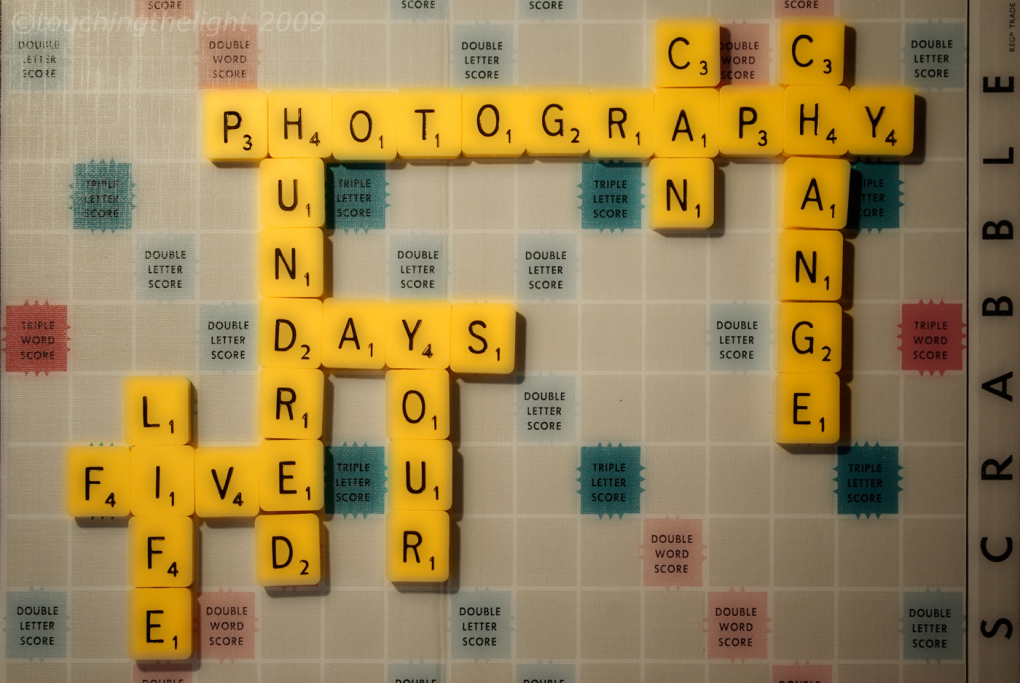
Five Hundred Days Photography Can Change Your Life
On Day 500 back in 2009 I made a Scrabble board image saying “Five Hundred Days Photography Can Change Your Life”.
People have questioned that.
“I understand why 500 days photography can change your photography. But change your life? Seriously?“
The answer is yes.
In short, daily photography has allowed me to see the world around me with fresh eyes and to take enormous joy in that.
It was Dorothea Lange who said that “ the camera is an instrument that teaches people how to see without a camera”. I rarely see ‘things’ now; instead I see contrasts of light and dark and colours; I see lines and shapes, often repeated to make patterns; I see surface textures and forms; I see relationships and spaces.
I had to start by throwing away my preconceptions of what ‘good’ photography looks like, to clear my head of shoulds and oughts and other critical thoughts. Seeing without judgement or expectation allows all possibilities.
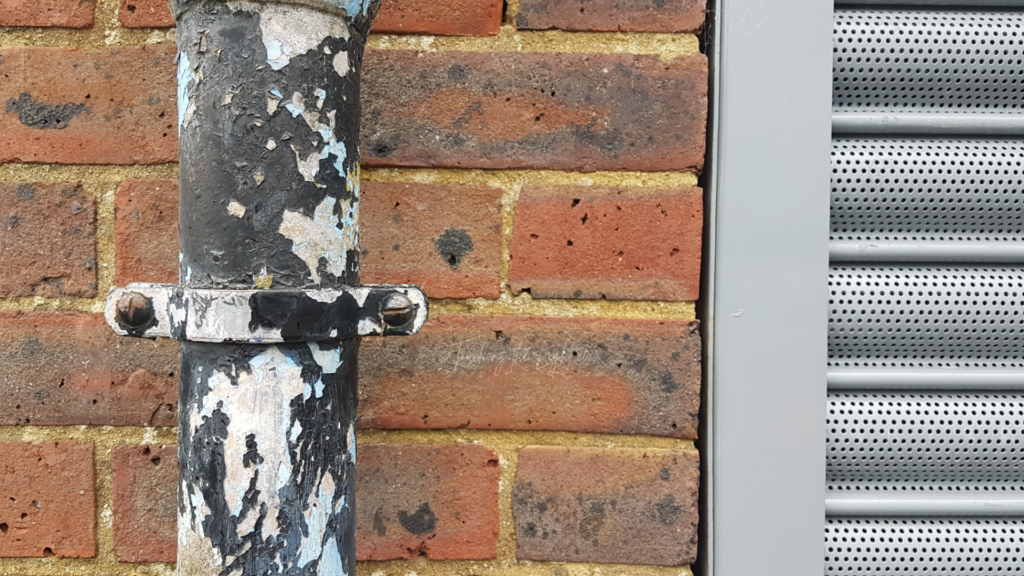
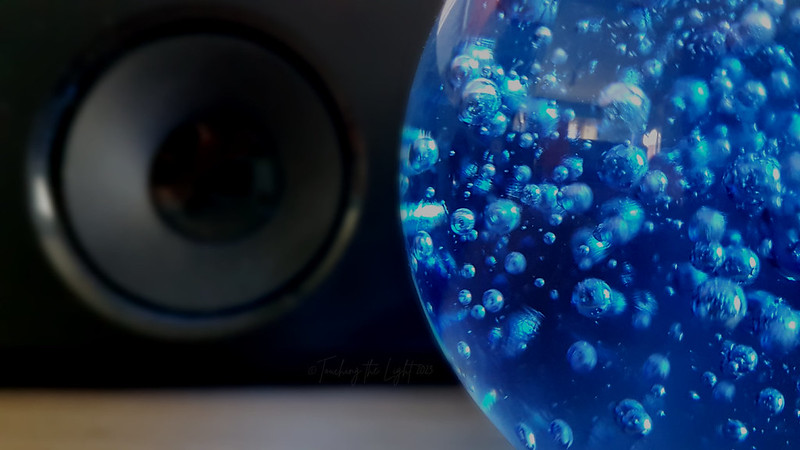
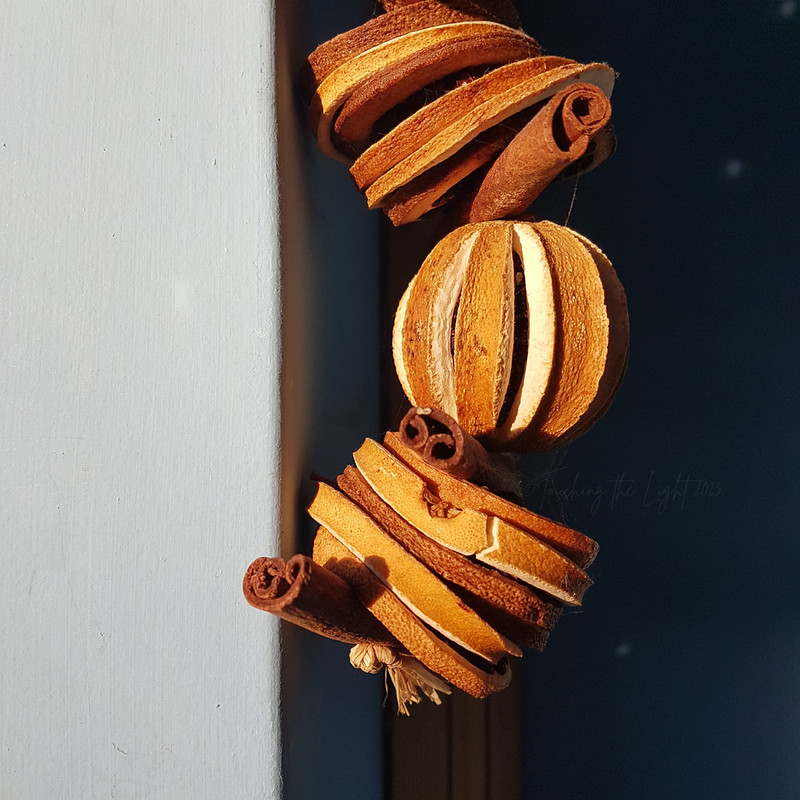
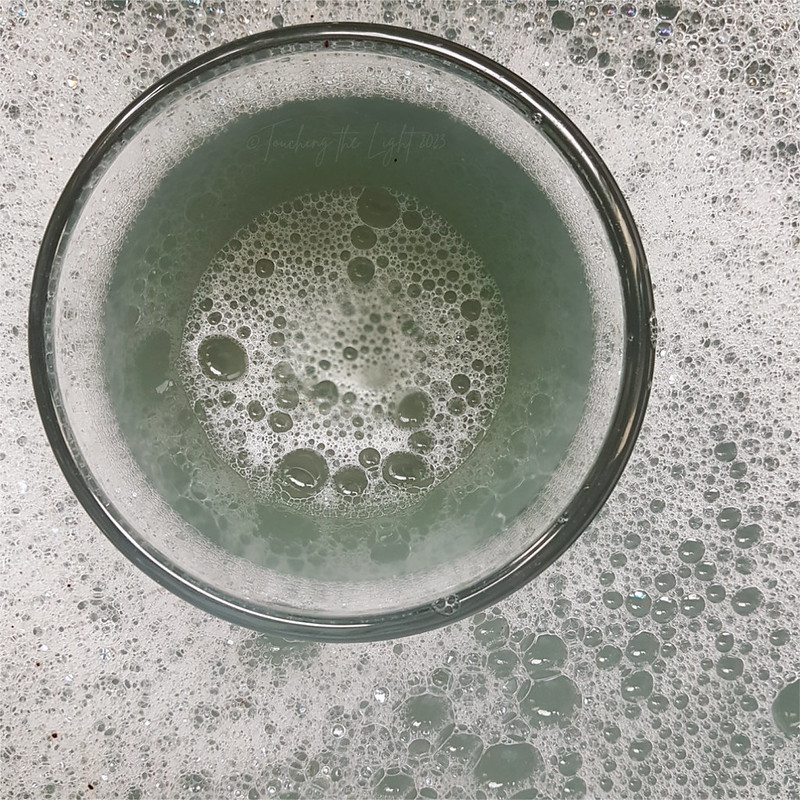
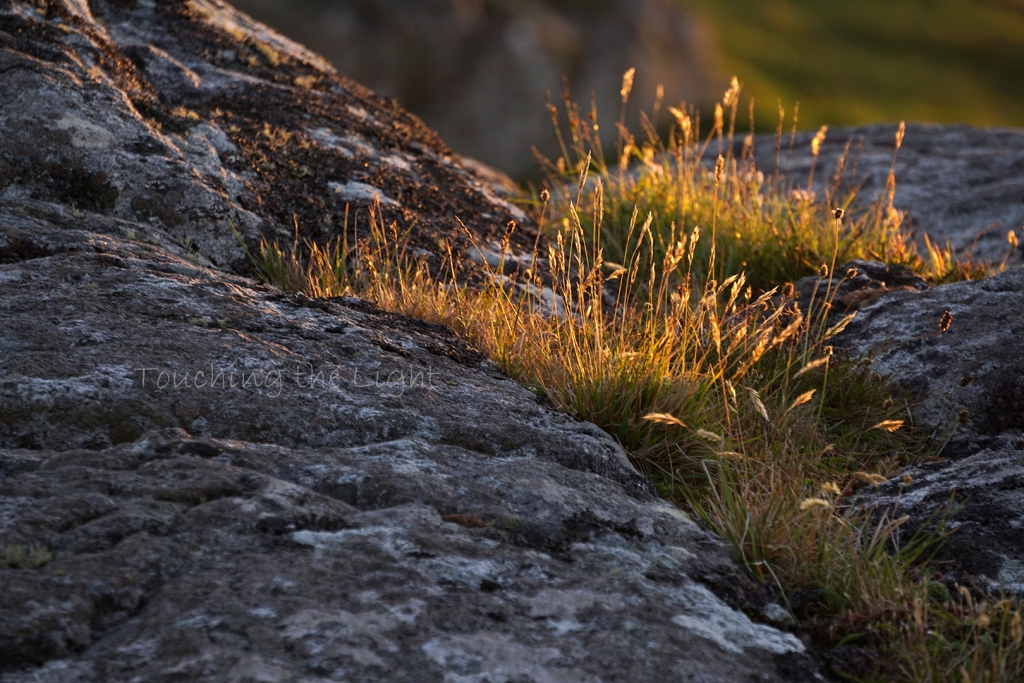
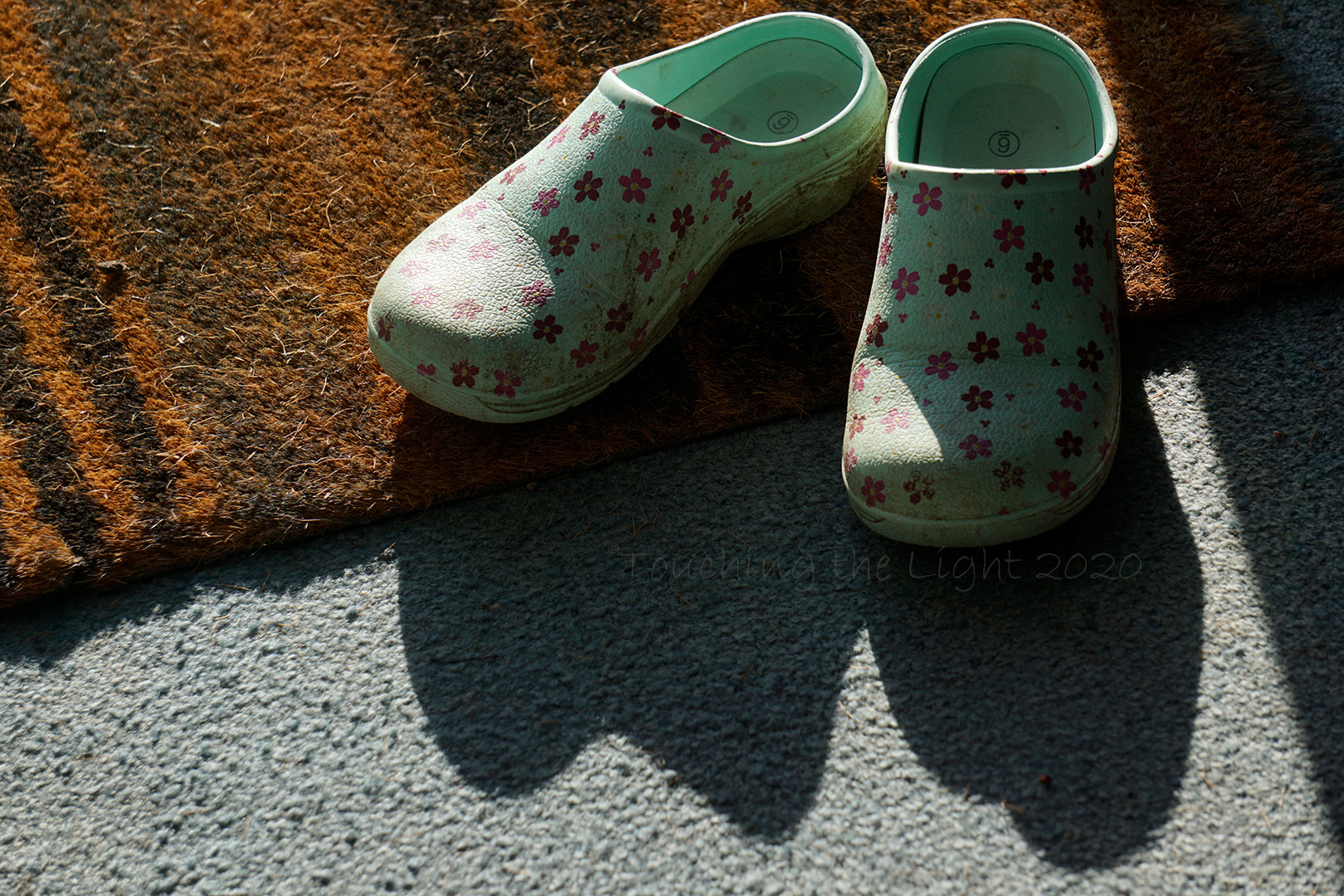
- I realise that there is magic in the mundane; the moment when light falls on a household object in a way I have never noticed before, the shadows created by leaves, the cracks in the pavement beneath my feet …
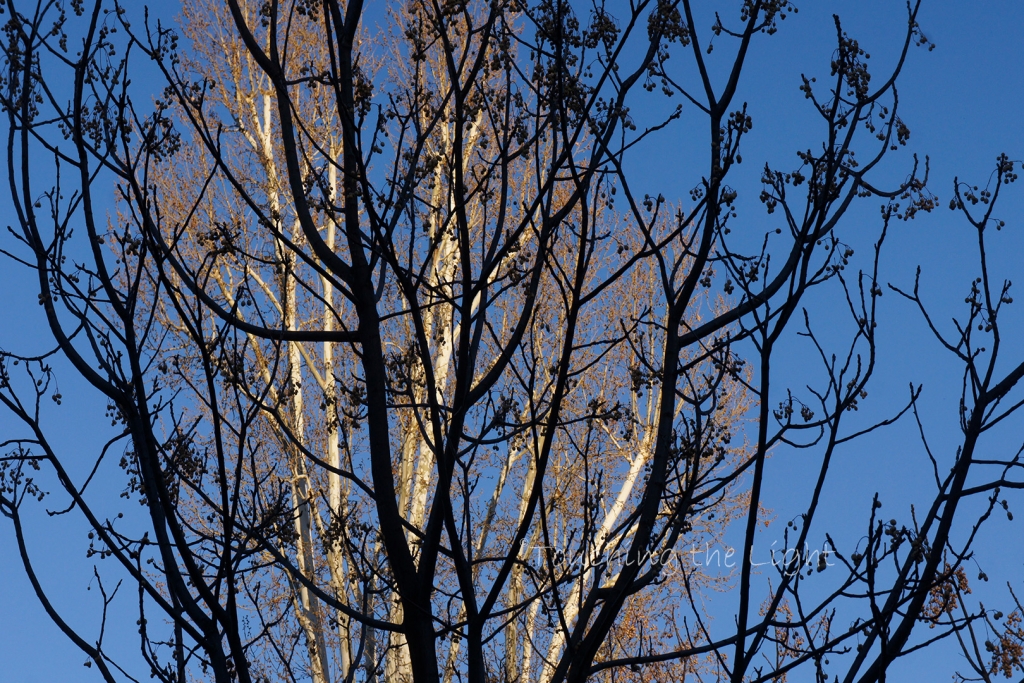
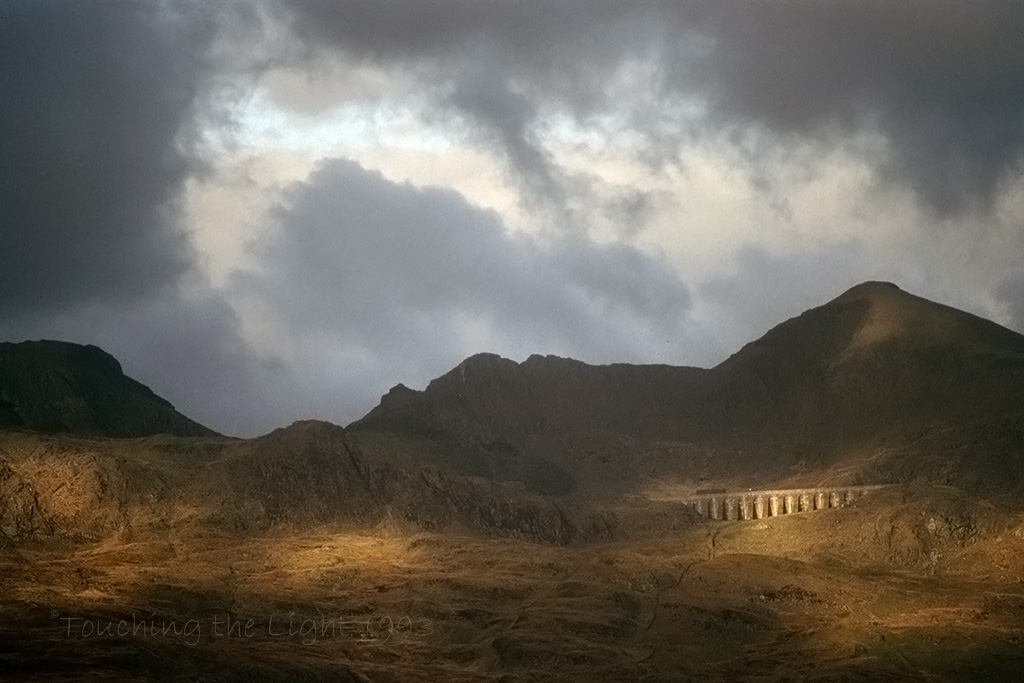
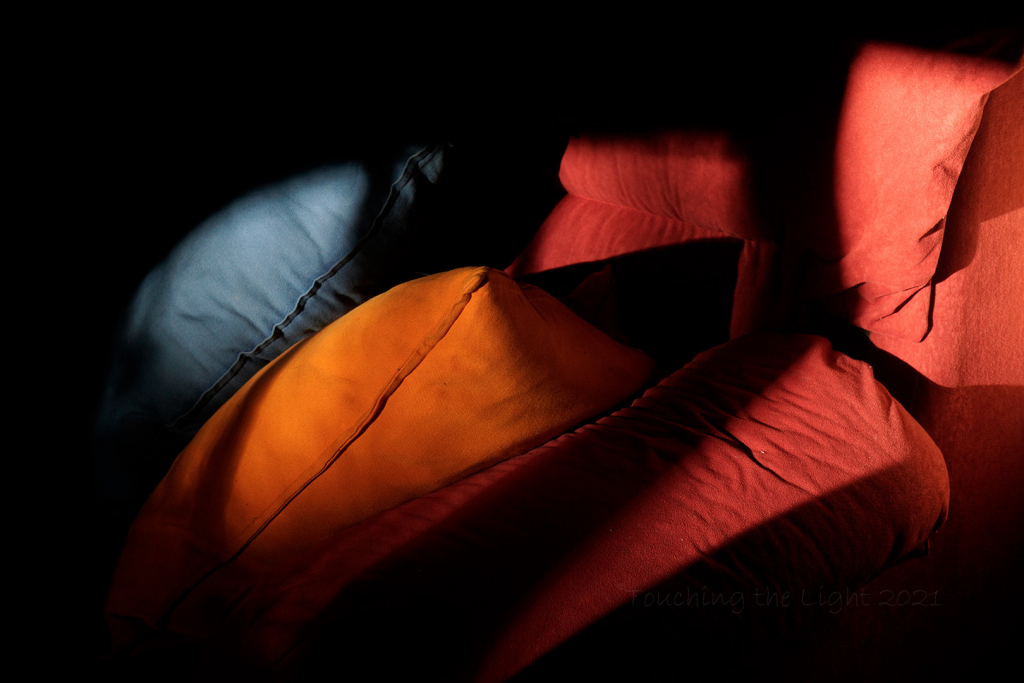
- I realise that there is no such thing as bad light. When we “love the light you have” – get in touch with how we’re feeling in this moment – then expression is possible in any conditions, including the November ‘cement lid’. And “there’s always a lamp” – we can make our own light.
- I realise that images don’t have to provide answers; they are often more interesting when they ask questions and create ambiguity.
- And I realise that my horizons and repertoire have expanded exponentially. In 5100 days there is not much I haven’t tried. It would be very difficult to go through one year of 365 with a speciality, let alone fifteen, unless photography was your life.
Getting Out
Daily photography gets me out more. I work from home and often feel there is little distinction between work and leisure, especially when they are separated only by the door to my study.
So it is a little like having a dog – it gives me an excuse to get out of the house, to get fresh air and exercise, and to give my head space to clear itself.
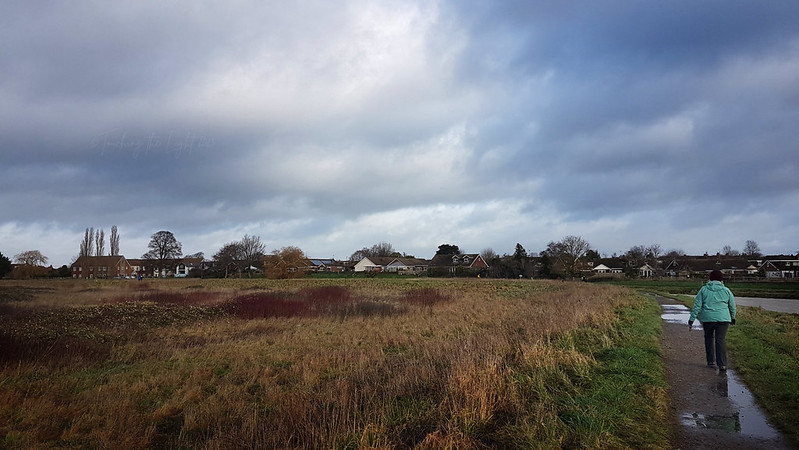
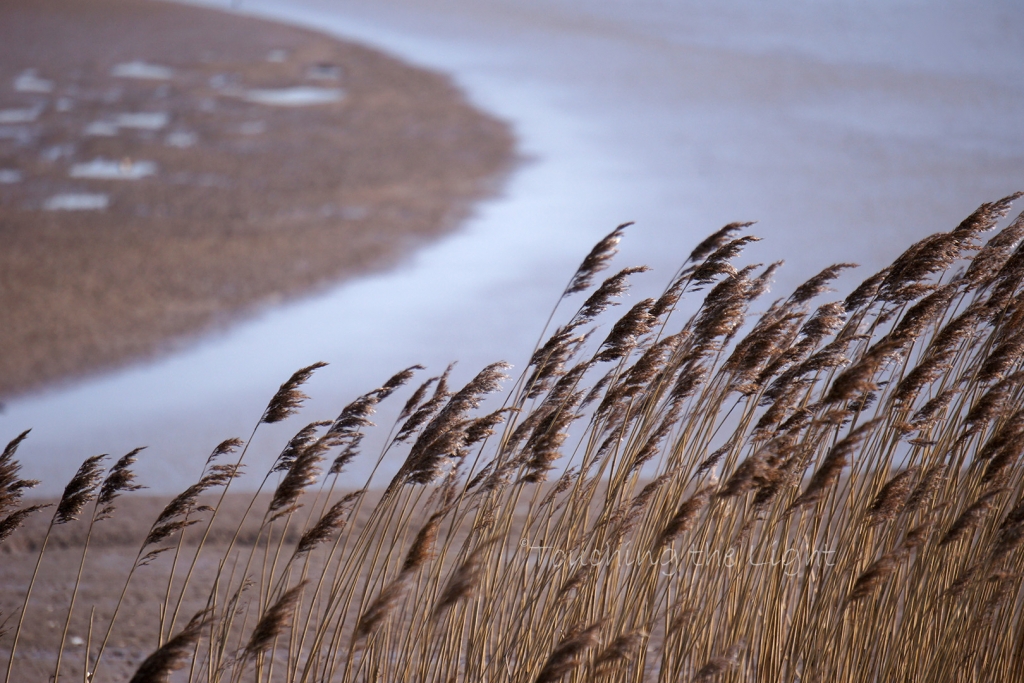
Just these last two weeks, when the south of England has languished under a cement lid of cloud and days felt like they never got light at all, I walked out many times over my local nature reserve.
And we all know how we make more images when we’re on holiday than at home. That’s because we don’t have other concerns of time or appointments, and because the scenery is fresh. Making a purpose of seeing our local environment as if we were visiting for the first time frees us from habituation.
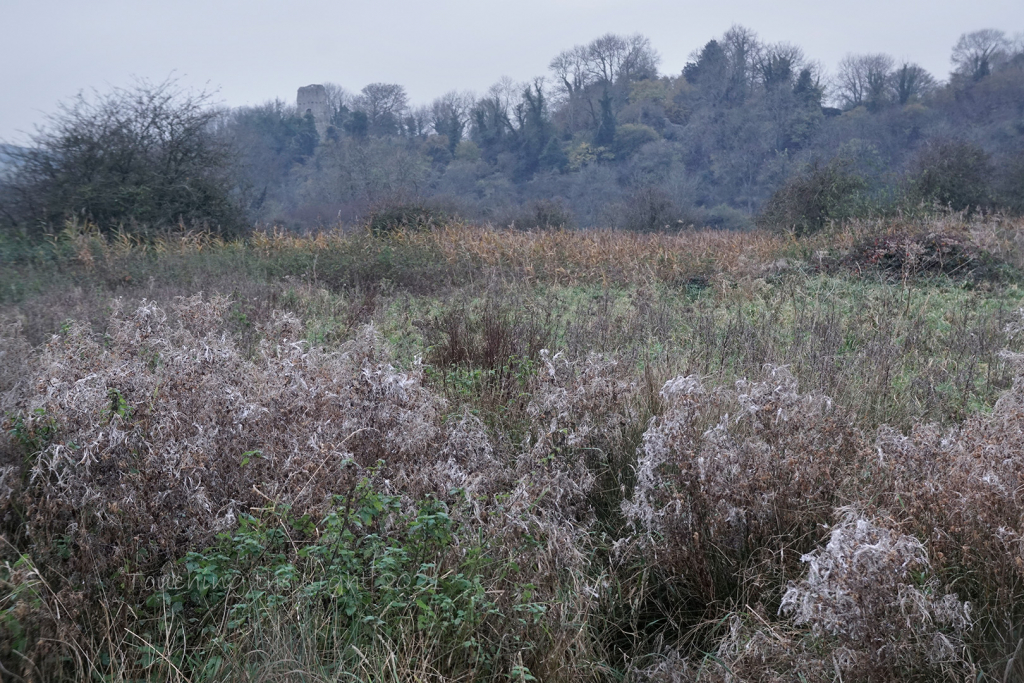
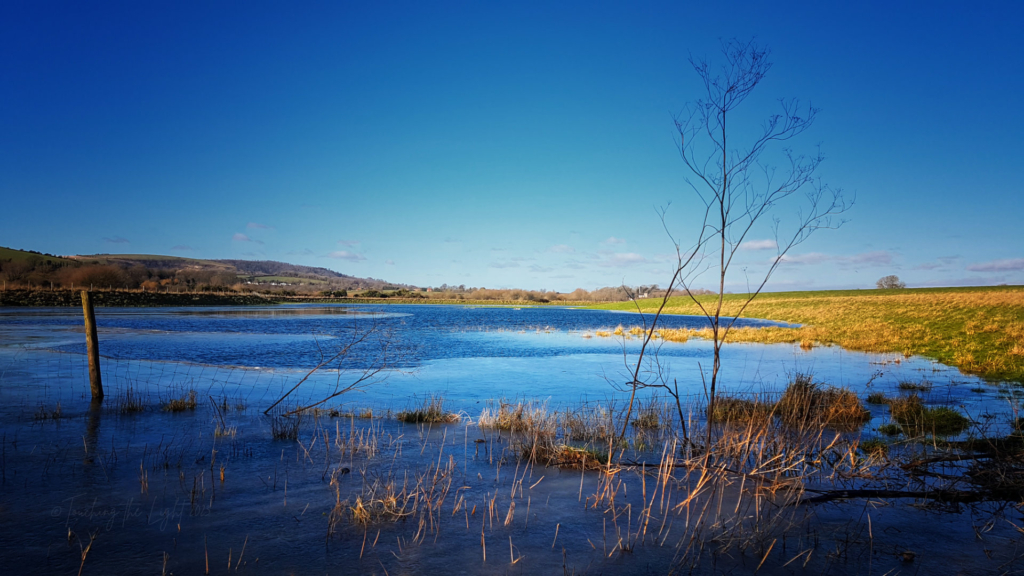
Bramber Brooks and Castle, dormant now for winter
Socialising
It’s not just the photography either. We all know how New Year resolutions quickly fall over once January is underway – many beginning 365ers I’ve met fall before the 100 day hurdle for a variety of reasons.
But it is much easier to succeed when doing something together, in company. Having fellow travellers on the journey creates feelings of compulsion, of not wanting to be the one who falls short, of supporting others and being supported.
In life generally a healthy support network of friends is vital to wellbeing.
My 365 Group on Flickr, which has had a new iteration every years since 2008, has become my second camera club. I have made friends and contacts who share the common interest and goal each year, each in our own ways, who care for and support each other through comments and chat. Some have been in with me from the start. Others have become personal friends, not just social-media contacts.
Visual diary
One of the most common 365 traps is ‘the Meaning Trap’; that feeling – usually arising from a need to please others or a fear of critical comment – that we have to make a masterpiece a day.
Aside from the many images I make that do have artistic intent, I have a fourteen year history documented and available.
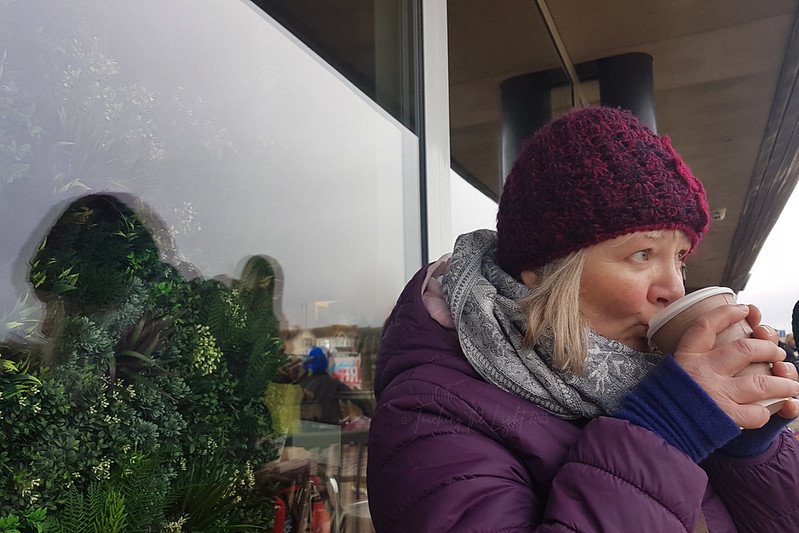
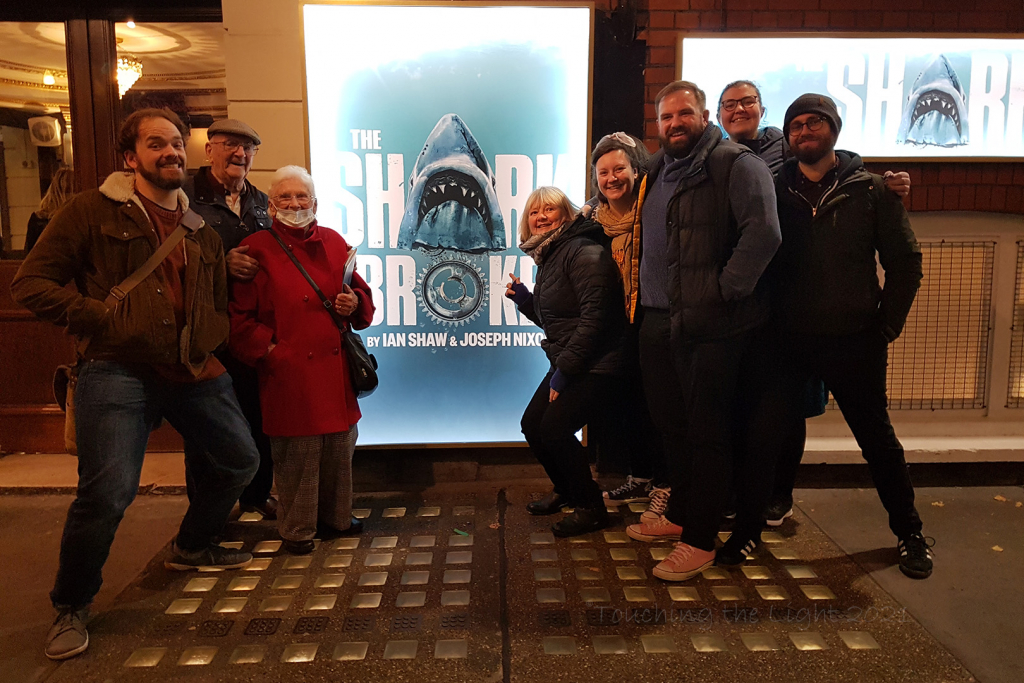
I see how my boys have grown from teenagers, been through university, gone travelling, got married, become successful in their own ways. I have photographed my wife Carolyn on our adventures, be they at home or far afield. I recall gatherings with friends and chance meetings with strangers. I can evoke the feelings of days away working and nights in hotel rooms. There are places I visited and treks I’ve made.
All seen through the moment in camera, coming together to make a visual record of life.
Photography has become an extension of living rather than a thing in and of itself.
Acceptance
Nobody ever did anything new or interesting right the first time. Photography involves frequent failure – though it is perhaps not noticed as much in the digital age as it was when we were concerned about the consumable costs of film and paper …
Treating 365 as practice allows me to accept that ‘failure’ is an inevitable part of the process, whether it is making a photograph from a preconceived idea or from a moment of perception. It’s a photograph a day, not a ‘masterpiece a day’. Sometimes the failure is the thing.
There are many days when I feel uninspired. I don’t want to practice. If you have a child who plays sport or a musical instrument, you will know the voice. This time it is coming from inside my own mind.
Having learned to listen to the voice and to be gently assertive with it, I make pictures anyway. Because that is the challenge. To make photographs anyway when we are feeling uninspired is hard.
The inner critic says “you’re not seeing anything.” It is very easy then to look at the resulting images and to judge them as failures. I see photographers doing this, written in their caption: “I was feeling totally uninspired today, and all I have is this …” The image is usually anything but.
So I let go.
I have always been aware that we rarely see the meaning in a photograph at the moment of making it. The subconscious mind can lead us to places unawares; meaning comes later.
I often write spontaneous captions, relating my images to the events of the day, and then I post the image. I will not look at it again for several days or maybe weeks. Then, when I do return, I see the comments people have made, relating to the image and to their own experiences.
And I realise that now I have dissociated the feelings I had when I pressed the shutter from the image itself, I can see in the image how I was feeling. Over a time, images organise themselves into patterns, perhaps of darker tones or brighter colours. There are periods of weather and busyness. This is about going with life’s flow. About acceptance and self-compassion.
“We can’t stop the waves but we can learn how to surf.” – Jon Kabatt-Zinn
If we photograph only when we feel like it, we will never be complete as photographers.
Mindfulness
Mindfulness – that special awareness that comes from paying attention purposefully, in the moment and without judgement – is essential to both my quest to expand my vision and seeing AND to daily practice.
Yes daily practice IS also practice in Mindful ways.
The combination of awareness and self-compassion – being kind to ourselves and not self-critical – is a vital attitude to bring to photography. The inner critic is a powerful presence, which needs training to help it to be positive and constructive.
365 has allowed me to work largely free of self-criticism. Moments of self-doubt come only when I get dragged into comparison with others.
Mindfulness is the concept by which I have been able to work with photography as a therapeutic pastime in itself, both in the doing of it and in the creation of a body of work. It is stress-free and stress-relieving (except for the occasional lapse as 23:59 approaches and I haven’t made an image yet – we practitioners all know that feeling.
Which brings me to the final area of why you should consider dong a 365: wellbeing itself.
Wellbeing
It is good for you. A 2019 study by Liz Brewster and Andrew Cox[iii] concludes that daily digital practice (photography commonly but not exclusively) can promote wellbeing in three ways:
- Self-care
- Community interaction
- The potential for reminiscence
Brewster and Cox state in their conclusion: “Rather than saying that photo-a-day can be prescribed to improve well-being, by looking at it within the wider sphere of everyday life and via the lens of practice theory, we can think about the interlinked and complex nature of the practice. Its affect arises from the way people come to attach meaning to it and connect it to other practices. By definition, this is an active process of meaning making, in which a new conceptualisation of well-being emerges.” (Brewster and Cox, 2019)
When something you have known for so long – since the first 500 days of my Project Infinity indeed – attains an academic endorsement, it is very satisfying.
Project Infinity – why not try it, at least for one year …
… Ken
December 2021
References
[i] Original psychological study by K. Anders Ericsson et al.
Ericsson, K. Anders, Krampe, Ralf Th., and Tesch-Romer, Clemens; The Role of Deliberate Practice in the Acquisition of Expert Performance: APA Psychological Review 1993, Vol. 100. No. 3, 363-406
[ii] I was first introduced to Barriers to Seeing by Freeman Patterson. More on this in a later piece.
[iii]Brewster L, and Cox A: The daily digital practice as a form of self-care: Using photography for everyday well-being – https://journals.sagepub.com/doi/10.1177/1363459318769465 / https://youtu.be/MVffBxgSEyQ